

Product Center
Promoting the healthy development of the medical testing and diagnostic industry

No data
No data
AVE-321 Vaginal Secretion Analyzer
Testing items
Morphological Detection Items:
Red Blood Cells
White Blood Cells
Epithelial Cells
Clue Cells
Vaginal Trichomonas
Cocci
Bacilli
Fungi
Pathogenic Microorganisms
Additional Indicators:
Can expand to provide indicators like microbial density, diversity, dominant bacteria, Nugent score, Donders score, etc.
Dry Chemical Detection Items:
pH: An important indicator reflecting vaginal microecological balance.
Hydrogen Peroxide (H₂O₂): A metabolic product of Lactobacillus, with concentration positively correlated with the number of Lactobacillus, indicating whether Lactobacillus function is normal.
Lactic Acid (LA): Evaluates the level of Lactobacillus and determines if the vaginal flora is normal.
Leukocyte Esterase (LE): A marker of inflammation, reflecting the number of white blood cells in vaginal secretions.
Sialidase (SNA): Secreted by Gardnerella and other anaerobic bacteria, it is an indicator of pathogenic bacteria. Positive results suggest bacterial vaginosis.
β-Glucuronidase (β-G): An enzyme synthesized and secreted by aerobic bacteria. Positive results suggest aerobic bacterial vaginitis.
N-Acetyl-β-glucosaminidase (NAG): A specific enzyme secreted by fungi and Trichomonas. Combined with pH, it can indicate fungal vaginitis (pH ≤ 4.6) or Trichomoniasis (pH > 4.8).
Proline Aminopeptidase (PLD): Positive results suggest fungal or anaerobic bacterial vaginitis.
Coagulase (CG): An enzyme synthesized and secreted by aerobic bacteria. Positive results suggest aerobic bacterial vaginitis.
Oxidase (OX): Positive results suggest gonococcal infection.
Alkaline Phosphatase (ALP): Positive results suggest mixed bacterial vaginitis.
Detection Principle
Morphological Detection: Utilizes artificial intelligence machine vision technology for real-time imaging, recognition, and classification/counting of formed elements in the specimen.
Dry Chemical Detection: Colorimetric analysis method.
Product Features
|
Core Technologies
Automatic Preprocessing Technology |
Formed Element Staining Technology
The device can automatically dispense and apply staining solution, which improves the rate of automatic identification and facilitates manual review. |
Intelligent Recognition Technology
Equipped with a brand-new AI recognition system, it adopts deep learning-based image recognition technology built on massive datasets, delivering high accuracy in the automatic identification of various formed elements. |
|
|
Product Features
Innovative Integrated Design |
Original Specimen Collection & Processing
It is equipped with high-position breakable nylon flocked swabs featuring strong adsorption capacity, ideal for collecting formed elements. The sample processor is designed with a cell shedding structure at one end, which enables thorough elution of formed elements and guarantees a positive detection rate. |
High Degree of Automation
The system automatically performs specimen preprocessing, dry chemistry testing, staining, microscopic examination and identification. The entire process requires no on-site staff, effectively saving labor costs. |
|
|
Comprehensive Dry Chemistry Test Items
It offers 11 dry chemistry parameters that can be flexibly combined as required. Featuring the most extensive test menu and diverse combination options on the market, it fully meets differentiated application demands. |
|

Related Products

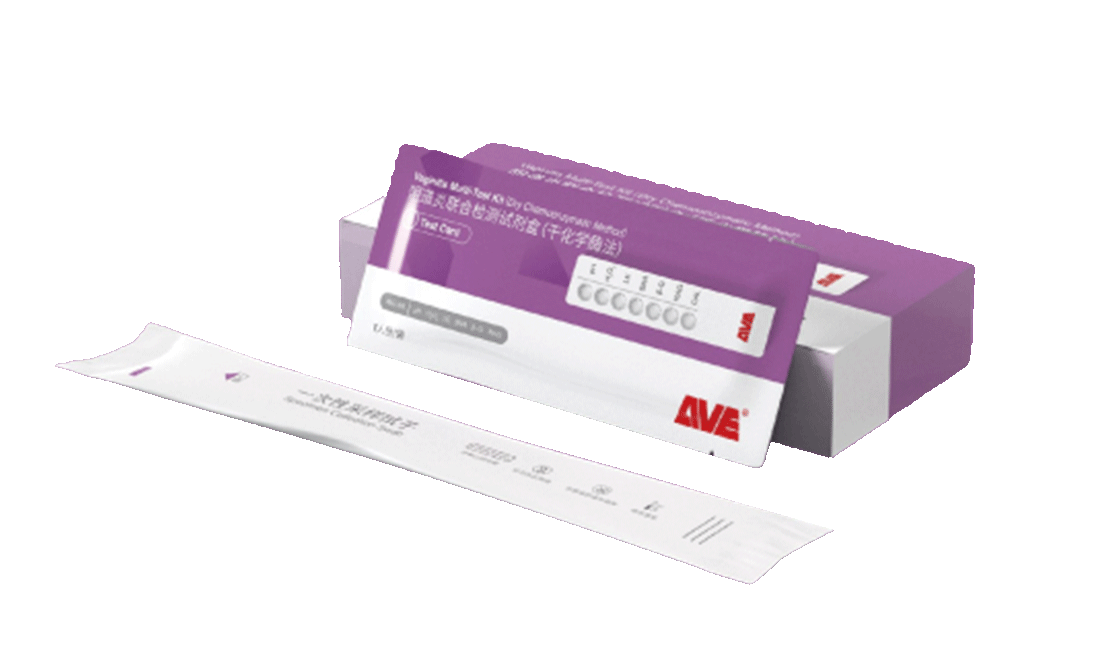
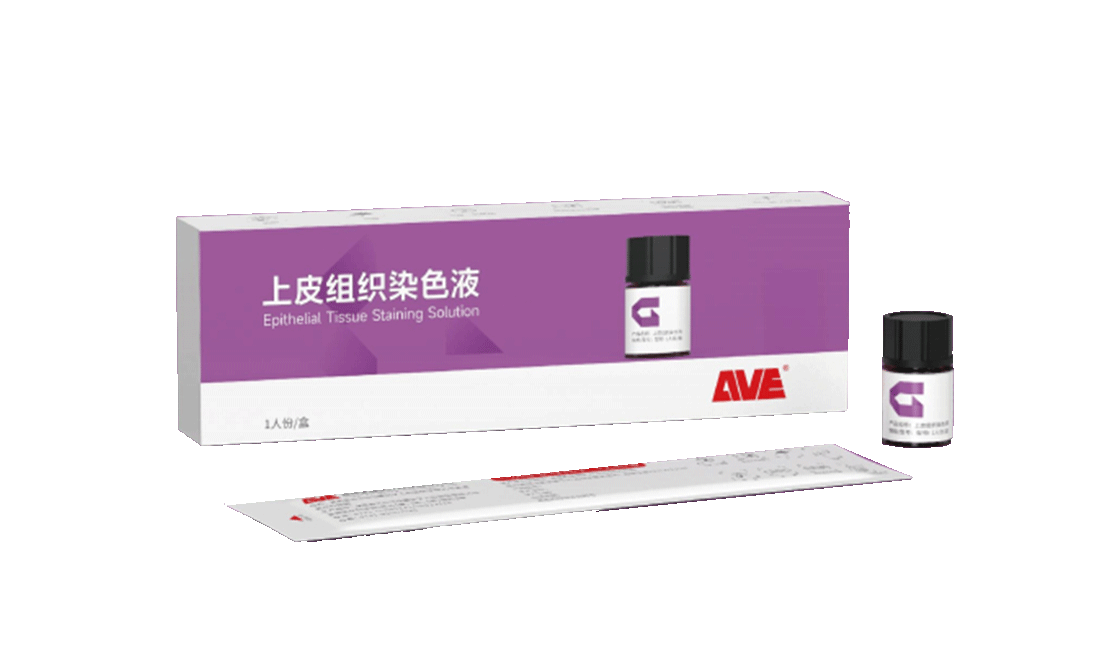
Solution
Contact Us:
AVE Medical Technology Park,No.26 Fuling Road,Xueshi Street,Yuelu District, 410208 Changsha, Hunan , China