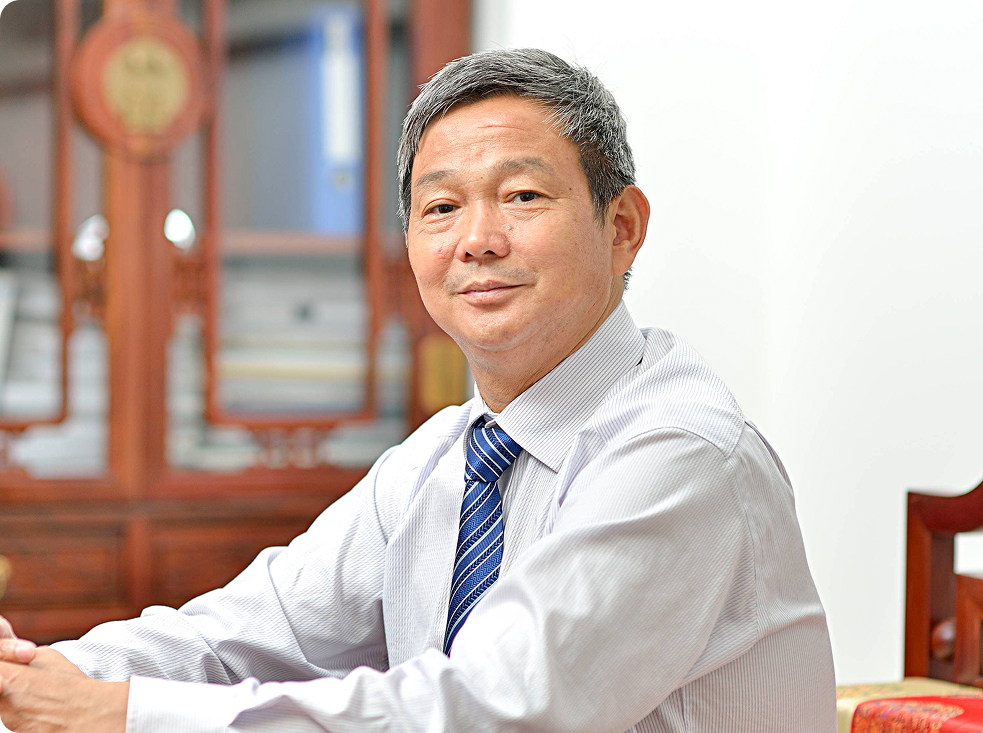
Chairman & Founder
A Challenge Seen First-Hand.
For more than two decades, Dr. Jianwen Ding worked on the front line of laboratory medicine at Changsha Fourth Hospital.
He believed that microscopy should become more automated, standardized and intelligent—and that technology could make reliable morphology testing accessible to more laboratories.
Director, Hunan Provincial Engineering Research Center for
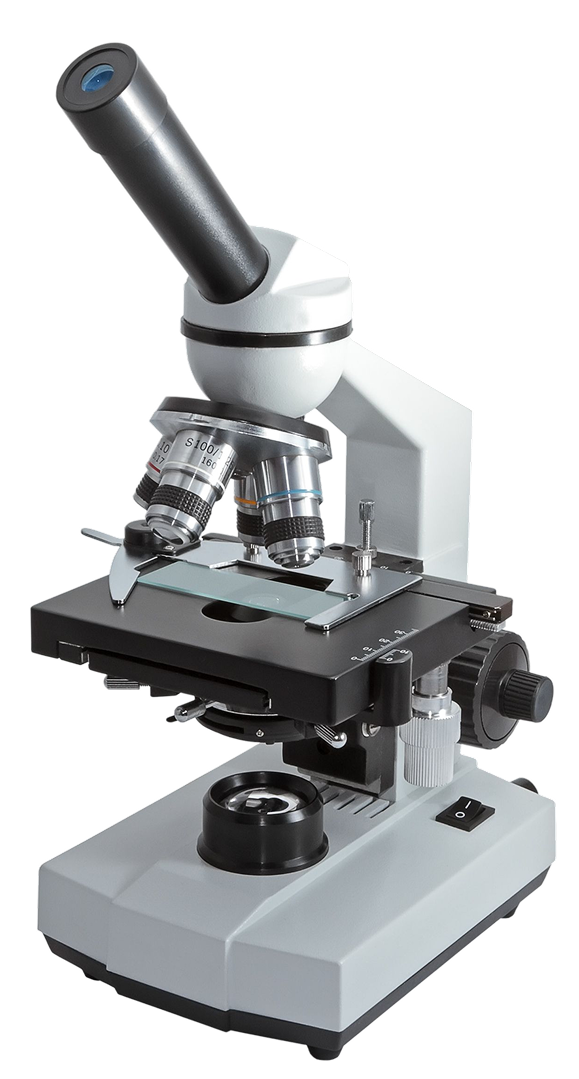
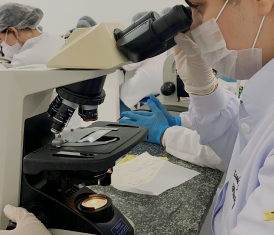
While blood testing was gradually becoming supported by semi-automated instruments, urinalysis and many other morphology-based examinations still depended heavily on manual microscopy. Laboratory professionals had to prepare samples, examine them field by field and interpret the results based largely on individual experience.
Former Laboratory Director at a
Named One of Hunan Province's
Widely Recognized as
“The Father of
Automated Microscopy”in China
Manual microscopy was time-consuming, making it difficult for laboratories to process growing sample volumes and deliver reports promptly.
Frequent manual handling of clinical specimens increased the risk of occupational exposure and infection.
Results could vary depending on individual experience and judgment, making consistency difficult to maintain.
Without standardized workflows and interpretation criteria, results from different laboratories were difficult to compare or recognize consistently.
Morphology required extensive training and accumulated experience, while qualified professionals were becoming increasingly difficult to develop and retain.
A Clinical Challenge Became a Lifelong Mission.

Rather than accepting the limitations of manual microscopy as inevitable, Dr. Ding began exploring how automation, digital imaging and intelligent recognition could be applied to microscopic examination.

In March 1994, he founded the AVE Biological Instrument Research Institute, focusing on fundamental research and technology development for medical laboratory instruments. This marked the technical beginning of AVE and established its long-term direction in automated microscopy.

As its technologies continued to mature through research and clinical application, the institute expanded its capabilities. In 2000, AVE Science & Technology Co., Ltd. was established, marking AVE’s transition from a research institute to an enterprise integrating research, product development and manufacturing.

Building on this foundation, AVE progressively expanded its technologies from automated urine sediment analysis to morphology solutions covering feces, body fluids, genital secretions and blood cells.

Today, AVE is a specialized developer and manufacturer of in vitro diagnostic instruments and intelligent medical microscopy solutions.
The AVE Biological Instrument Research Institute was founded, establishing AVE’s technical foundation in automated microscopy.
AVE Science & Technology Co., Ltd. was established, marking the transition from research institute to enterprise operation.
Introduced the AVE-76 urine sediment analyzer.
Received China’s first domestic medical device registration certificate in its category.
Introduced the AVE-763 and conducted a reference-value study for urine microscopy in the Chinese population.
Urine formed element analyzers were officially included in China’s medical device classification catalog.
Led the drafting of the relevant industry standard for urine formed element analyzers.
Introduced the AVE-75 Series urine dry chemistry analyzer.
Introduced the AVE-56 Series automated feces analyzer.
Introduced the AVE-42 Series automated body fluid analyzer.
Introduced the AVE-32 Series genital secretion analyzer.
AVE was listed on the Shanghai Stock Exchange STAR Market.
Introduced the AVE-26 Series automated blood cell morphology analyzer.
Introduced the AVE-7 Series modular urinalysis line.
AVE continues to advance AI-powered morphology and automated laboratory solutions.